A Brief Review of the EPA's UCMR5 Data on Drinking Water Contaminants
The safety of drinking water is a paramount concern for communities across the United States. The Environmental Protection Agency (EPA), under the authority of the Safe Drinking Water Act (SDWA), plays a crucial role in ensuring that safety by setting national standards for drinking water quality in public water systems. While numerous contaminants are regulated to safeguard public health, many others remain without established national limits.
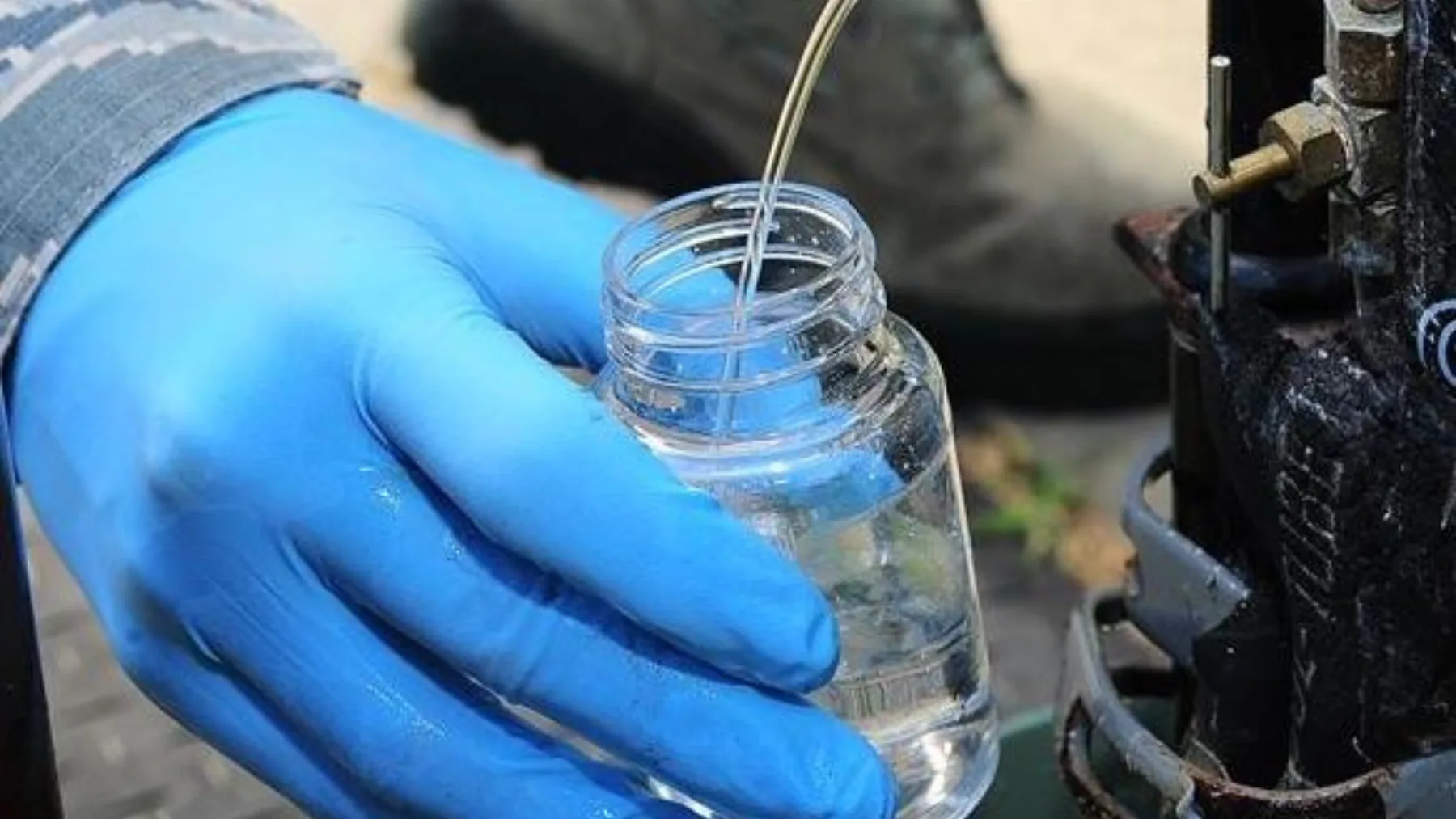
To address this gap, the EPA implements the Unregulated Contaminant Monitoring Rule (UCMR) — a program designed to gather data on substances suspected to be present in drinking water but not yet subject to regulation. This proactive approach allows the agency to assess the occurrence, levels, and potential exposure to these unregulated contaminants, ultimately informing future regulatory decisions.

Inside UCMR5: what's being measured
The fifth cycle of this program, known as UCMR5, was published on December 27, 2021, and requires public water systems (PWS) to collect samples for 30 chemical contaminants between 2023 and 2025. Its primary goal is to enhance our understanding of the prevalence and concentration of 29 per- and polyfluoroalkyl substances (PFAS) and lithium in the nation's drinking water systems.
Lithium is the lone outlier on that list. Unlike the 29 man-made PFAS, it is a naturally occurring element that leaches into groundwater from the surrounding rock and soil rather than from industrial activity. The EPA folded it into UCMR5 to gauge how widely — and at what concentrations — the population is exposed, given growing scientific interest in lithium's potential effects on neurological and thyroid health even at trace levels. That makes the headline count effectively "29 + 1": a large family of synthetic chemicals plus one natural element of emerging interest.
This monitoring effort is unusually broad. It encompasses:
- All community water systems (CWS) and non-transient non-community water systems serving more than 3,300 people, and
- A representative sample of 800 smaller systems serving fewer than 3,300 individuals.
Compared to previous UCMR cycles — which often focused on larger systems — this expanded scope signals a heightened awareness that contamination can reach a much wider array of water sources, including smaller and rural ones.
The data collected is intended to give the EPA and other stakeholders scientifically sound information to evaluate the need for future regulations. It can also help the agency determine whether these contaminants disproportionately affect communities with environmental-justice concerns. Importantly, the findings are made publicly available, and when unregulated contaminants are detected above certain levels, community water systems are required to report those results in their annual Consumer Confidence Reports (CCRs) — the water-quality report you may already receive in the mail.
A monitoring effort still in progress
The data collection for UCMR5 spans January 2023 to December 2025, providing a comprehensive monitoring period. The EPA has been releasing the collected data in stages, with approximately 66% of the total expected results made public as of January 16, 2025. These updates are typically released quarterly and are accessible through EPA resources including the UCMR 5 Data Finder and downloadable data files.
Because collection is still underway, the current understanding of PFAS prevalence is based on this interim dataset — the complete picture will continue to evolve until all results are reported in 2026. At getwatertech, we have worked to evaluate this data and make it viewable on our Maps page. As always, please confirm any critical sample results against the EPA's official data source to ensure accuracy.
Why PFAS is the headline concern
The heavy focus on PFAS within UCMR5 is driven by significant and growing concerns about these man-made chemicals. Prized since the 1940s for their unusual ability to repel water, grease, and stains and to withstand high heat, PFAS were engineered into a vast range of products — and that very durability is what now makes them so difficult to remove from the environment. Today they are found in everything from food packaging and non-stick cookware to firefighting foams and textiles.

A defining characteristic of PFAS is their exceptional persistence in both the environment and the human body — earning them the moniker "forever chemicals." This longevity leads to bioaccumulation, meaning these chemicals build up in water, soil, and living organisms over time. Growing scientific evidence links exposure to certain PFAS with a range of adverse health outcomes, including an increased risk of cancers affecting the digestive, endocrine, oral cavity/pharynx, respiratory, urinary, brain, soft-tissue, thyroid, and blood systems. Studies drawing on previous UCMR cycles and preliminary UCMR5 data have estimated that PFAS contamination in drinking water may contribute to thousands of new cancer cases annually.
From monitoring to regulation: the new PFAS limits
In response to these health concerns, the EPA announced final National Primary Drinking Water Regulations (NPDWR) on April 10, 2024, establishing legally enforceable Maximum Contaminant Levels (MCLs) for six specific PFAS: PFOA, PFOS, PFHxS, HFPO-DA (GenX chemicals), PFNA, and PFBS. All six are among the 29 PFAS being monitored under UCMR5.
A key distinction worth understanding: while UCMR5 data offers valuable insight into current levels of these regulated PFAS, the monitoring results do not determine compliance or non-compliance with the new MCLs. Public water systems will be required to meet the MCLs starting in April 2029, based on a running annual average of quarterly monitoring results. The EPA has compared UCMR5 results to these MCLs in its data finder, but those comparisons are for technical assistance only and do not supersede the legal requirements of the NPDWR.
The UCMR program also relies on Minimum Reporting Levels (MRLs) — the lowest concentrations of a contaminant that laboratories can reliably report. For the 29 PFAS in UCMR5, these MRLs range from 2 to 20 parts per trillion, and results below the MRL are not reported. This matters when reading the data: an "non-detect" means a contaminant was below the reporting threshold, not necessarily that it was entirely absent.
Where PFAS shows up — and how to protect yourself
Higher levels of PFAS contamination are often associated with urban and industrial areas, as well as locations near firefighter training facilities, airports, and industrial manufacturing sites. The use of PFAS-containing firefighting foams at military bases and training facilities has been a significant source of groundwater contamination, and states with a long history of PFAS manufacturing — such as New Jersey — may show more widespread contamination.

For individuals concerned about PFAS and other unregulated contaminants in their drinking water, reverse osmosis (RO) filtration systems offer a highly effective solution. RO systems are point-of-use devices — typically installed near a sink — that remove a wide range of impurities, including PFAS, heavy metals, and volatile organic compounds. Because PFAS molecules are relatively large compared to the microscopic pores of an RO membrane, this filtration method is particularly effective at removing them.
While UCMR5 data collection is still underway, the preliminary findings already point to a widespread presence of PFAS in water systems across the U.S., with certain regions showing higher levels due to industrial activity and other factors. Given the potential health risks, it is prudent to take proactive steps — check your local data, review your CCR, and consider point-of-use filtration — to ensure the safety of the water you drink every day.