Blog · Topic
City Water
Your city water starts out treated, tested, and regulated at the plant — the tricky part is the trip to your tap. 🚰 Along the way it can pick up chlorine or chloramine taste and odor, disinfection byproducts that form in the pipes, and sometimes a little lead from older service lines. The good news: your utility publishes an annual water-quality report you can actually read, and a simple carbon or reverse-osmosis filter handles most of what's left.
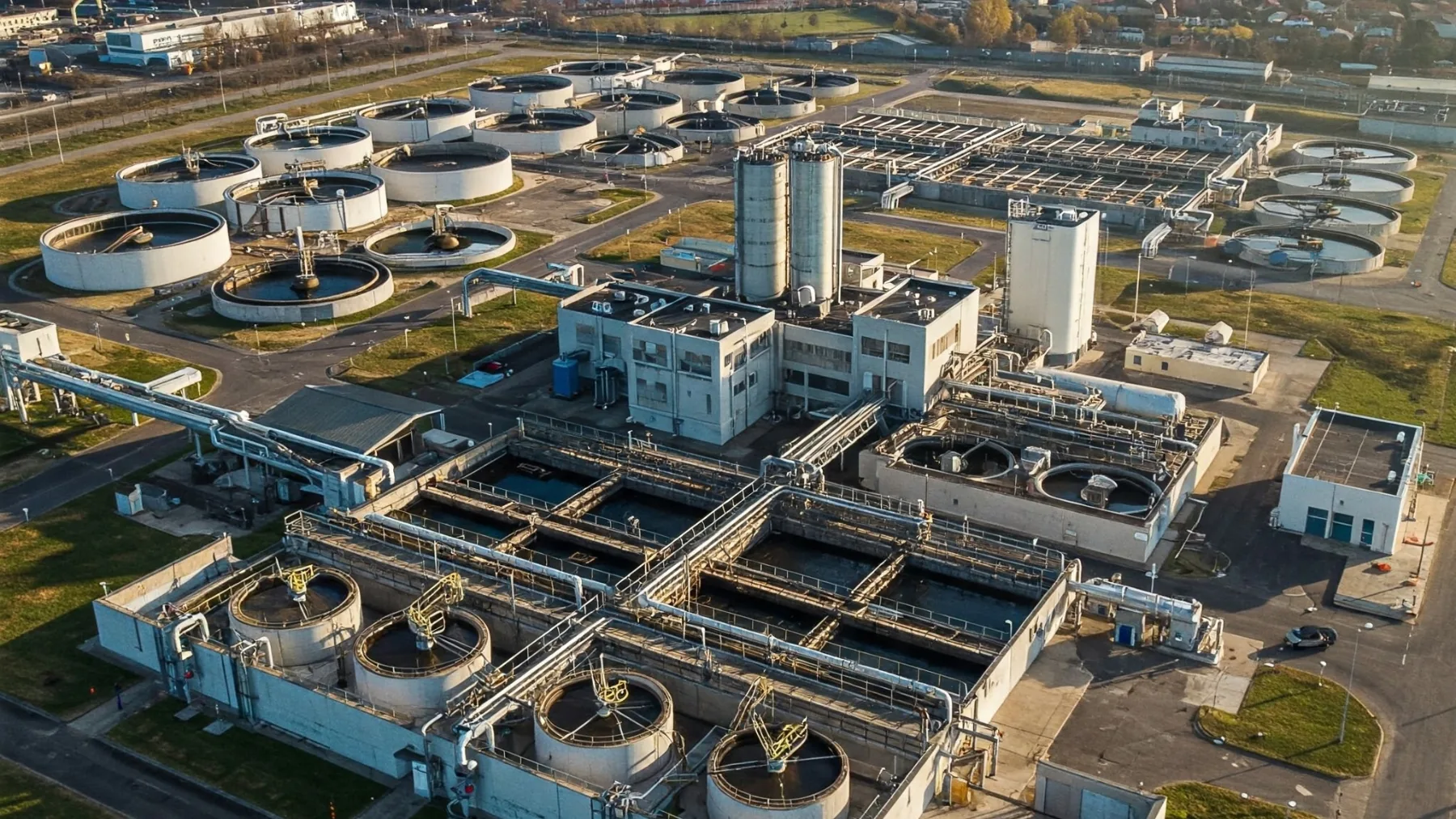

Navigating PFAS: Protecting Your Health from "Forever Chemicals"
PFAS is getting into your body through various ways. Let's explore what PFAS is and how we can reduce our exposure.

Understanding TDS: What Total Dissolved Solids Mean for Your Water
Total Dissolved Solids is the most common single number on a water-quality report. Here is what it actually measures, how to read it, and when it should worry you.

Re-mineralizing Your RO Water is a Wave of Wellness 🌊
Elevate your wellness by learning how to re-mineralize RO water — boosting its taste and infusing it with essential nutrients.

Potential Changes to Water Regulations
A look at potential shifts in U.S. water regulations in 2025 — how proposed changes to the Clean Water Act (WOTUS), the Safe Drinking Water Act, and rules for PFAS and lead could affect your tap water, for both city and well users.

Are Microplastics Lurking in Your Drinking Water?
Microplastics are tiny broken-down plastic particles found in drinking water sources — especially bottled water — and across everyday life. Let's explore where they come from and what we can do to reduce our exposure.
Health Implications of Disinfection Byproducts in Drinking Water
Disinfection byproducts (DBPs) are chemicals created during the water treatment process. This article examines the types of DBPs, their potential health effects, and the role of filtration in managing them.
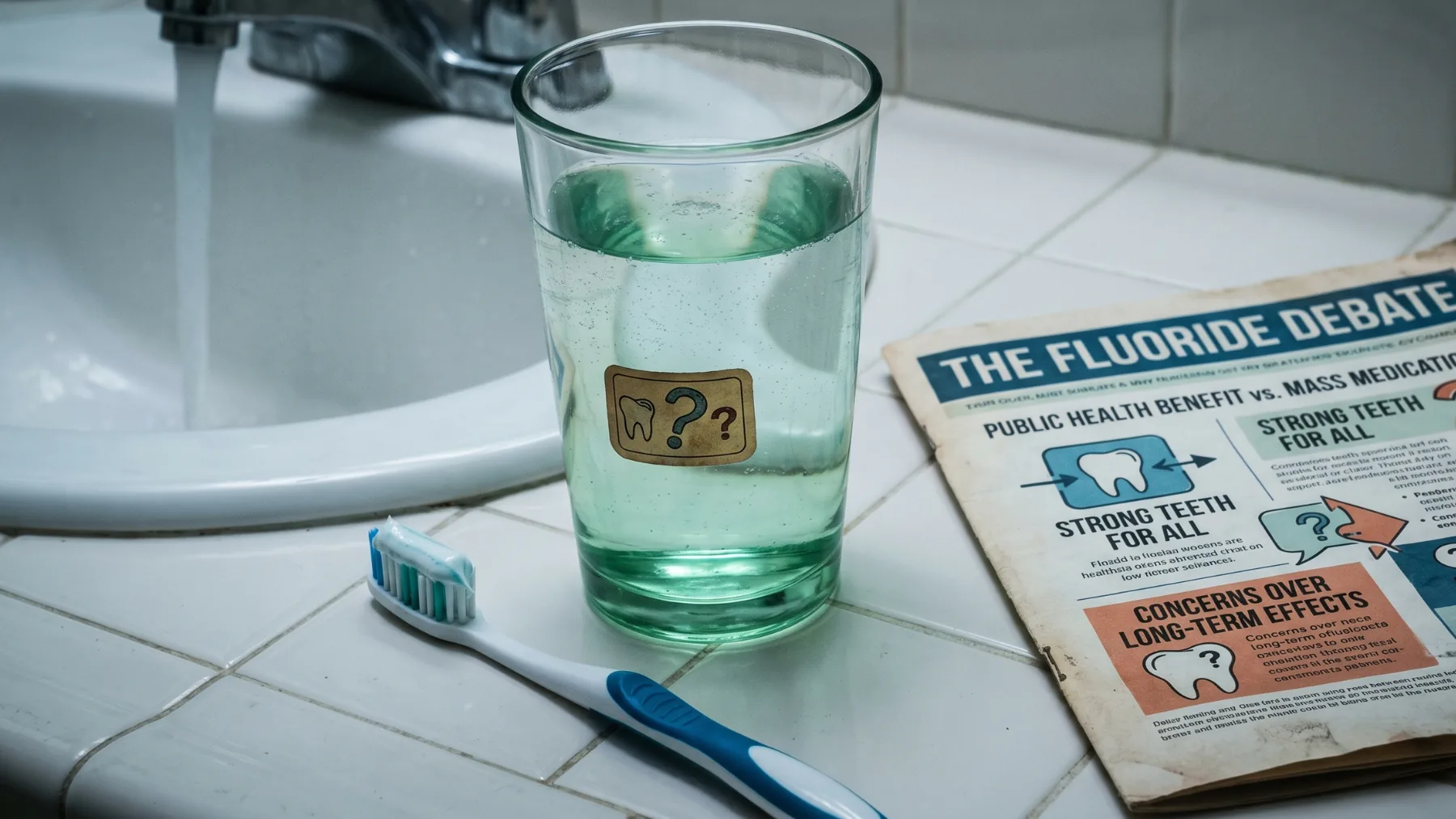
A Balanced Look at Fluoride in Drinking Water
Fluoride, a naturally occurring mineral, has long been debated — particularly its presence in public drinking water. Proponents cite its power to prevent tooth decay, while concerns have been raised about potential health effects. Here's a balanced look at both sides.
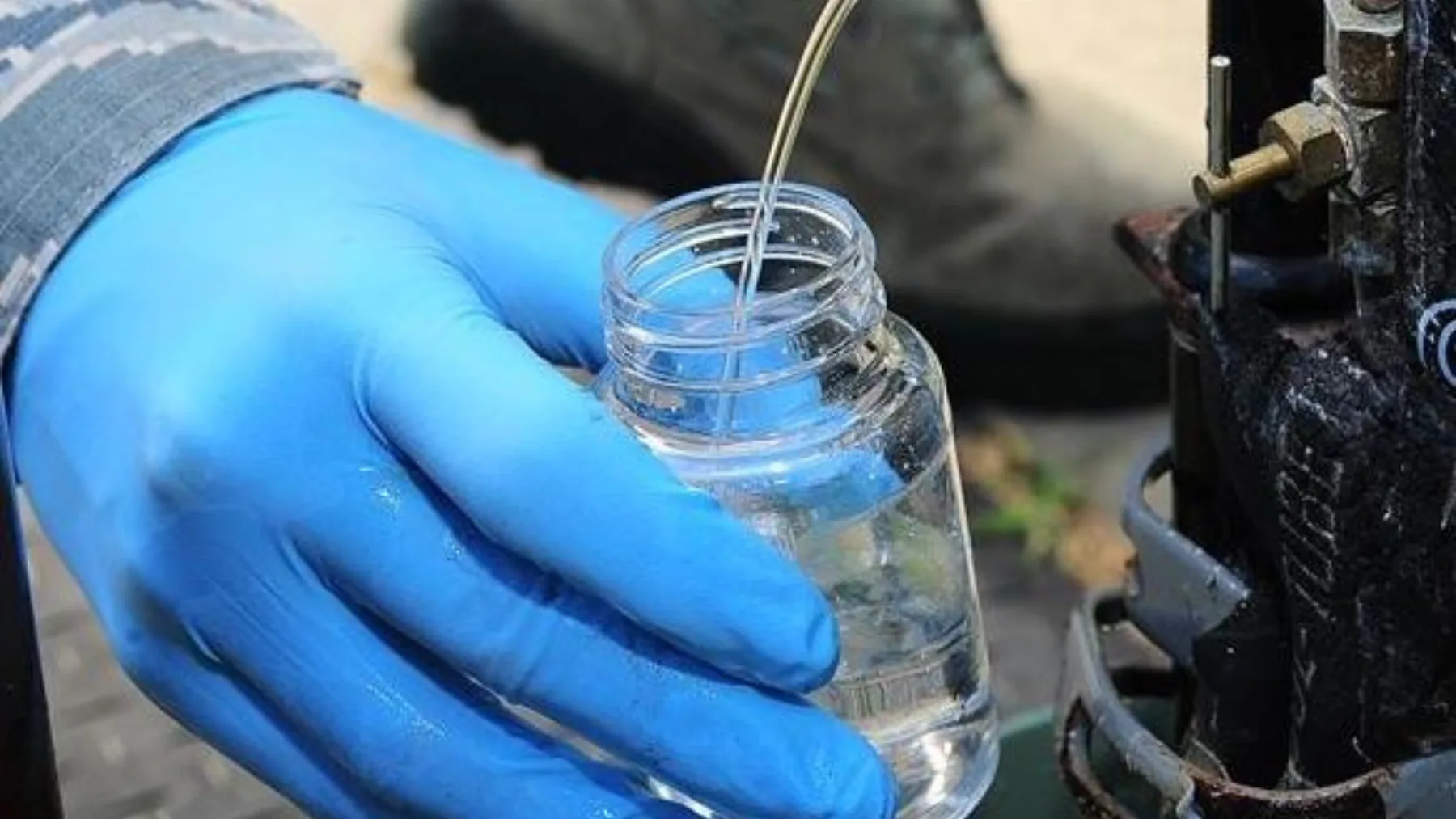
A Brief Review of the EPA's UCMR5 Data on Drinking Water Contaminants
The Unregulated Contaminant Monitoring Rule (UCMR) is a program designed to gather data on substances suspected to be present in drinking water but not yet subject to regulation. Here's what its fifth cycle is telling us.

Is the Water You're Drinking Slowly Making You Sterile?
Some contaminants in drinking water are known endocrine-disrupting chemicals. Let's look at which ones are the most harmful and which biological systems they impact.