Education
Learn what is in your water — a plain-language library of waterborne contaminants, their health effects, and the filtration that removes them.
Explore contaminants
View all →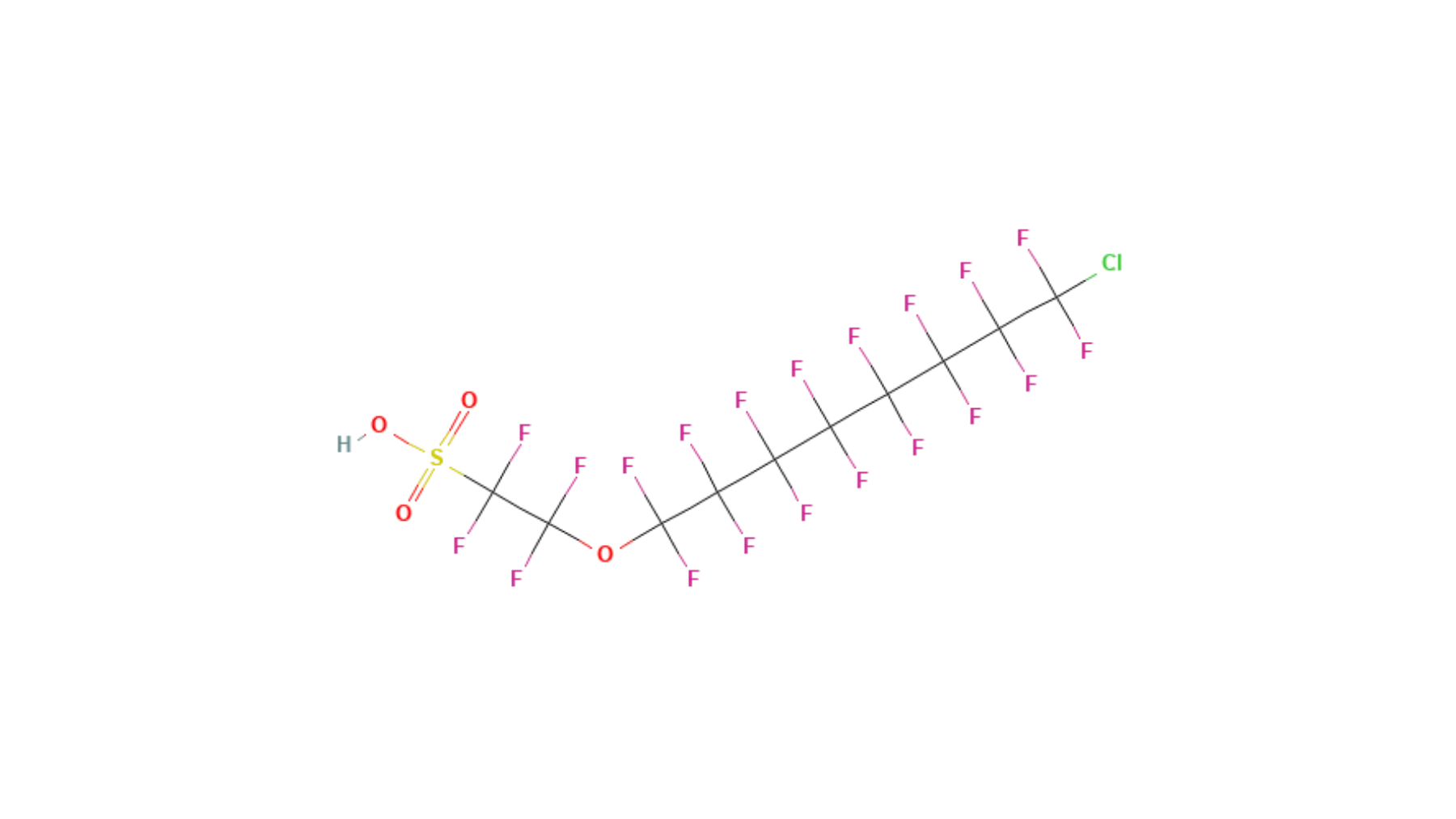
11Cl-PF3OUdS
11-chloroeicosafluoro-3-oxaundecane-1-sulfonic acid
PFASA chlorinated perfluoroether sulfonic acid (8:2 Cl-PFESA), the minor component of F-53B chromium-plating mist suppressant. Persistent and bioaccumulative; detected at low ppt levels in U.S. drinking water under UCMR 5.
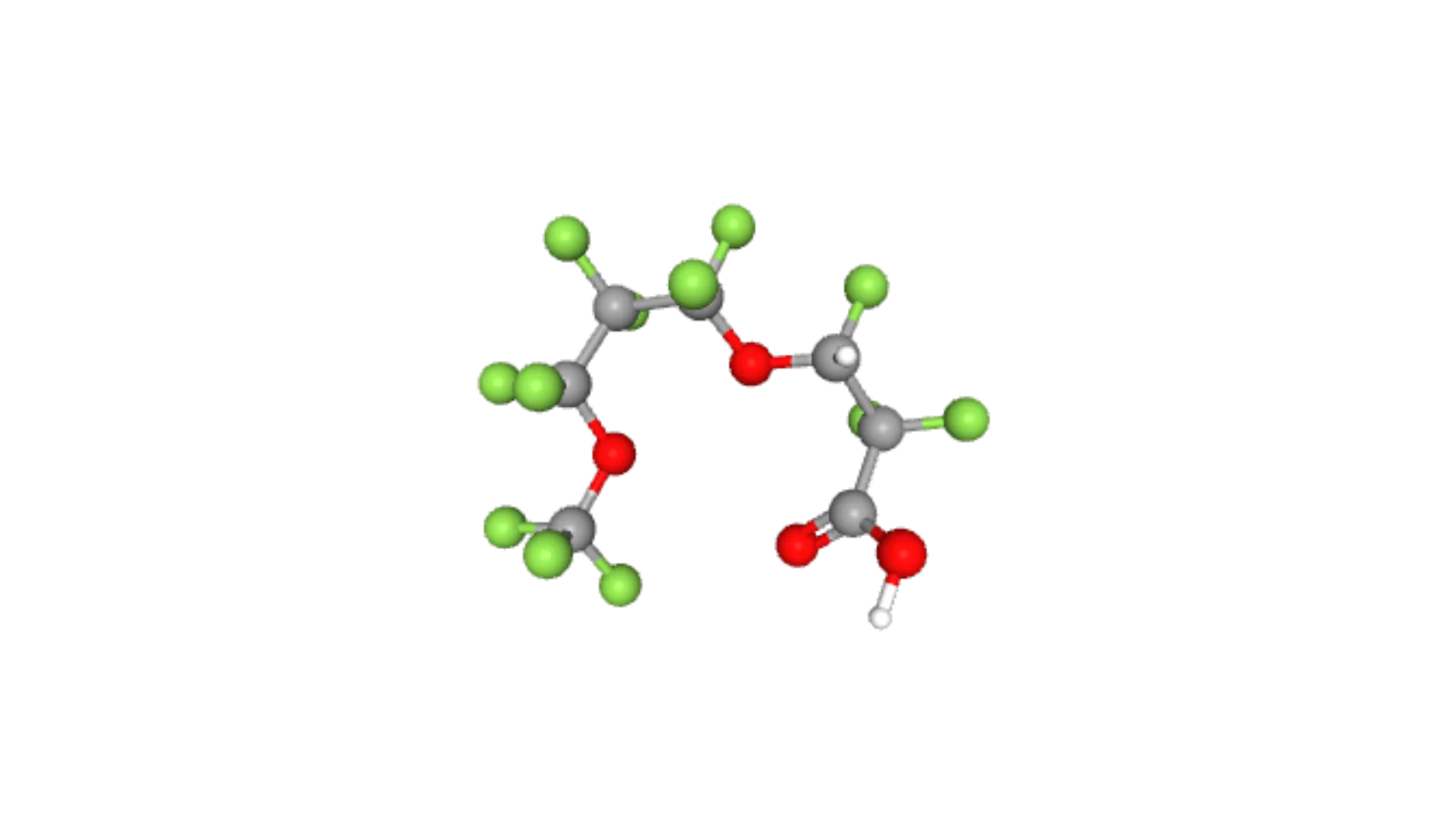
ADONA
4,8-dioxa-3H-perfluorononanoic acid
PFASA perfluoroether carboxylic acid developed by 3M/Dyneon as a PFOA replacement for fluoropolymer manufacturing. Persistent in the environment; detected at low ppt levels in U.S. drinking water under EPA's UCMR 5 monitoring program.
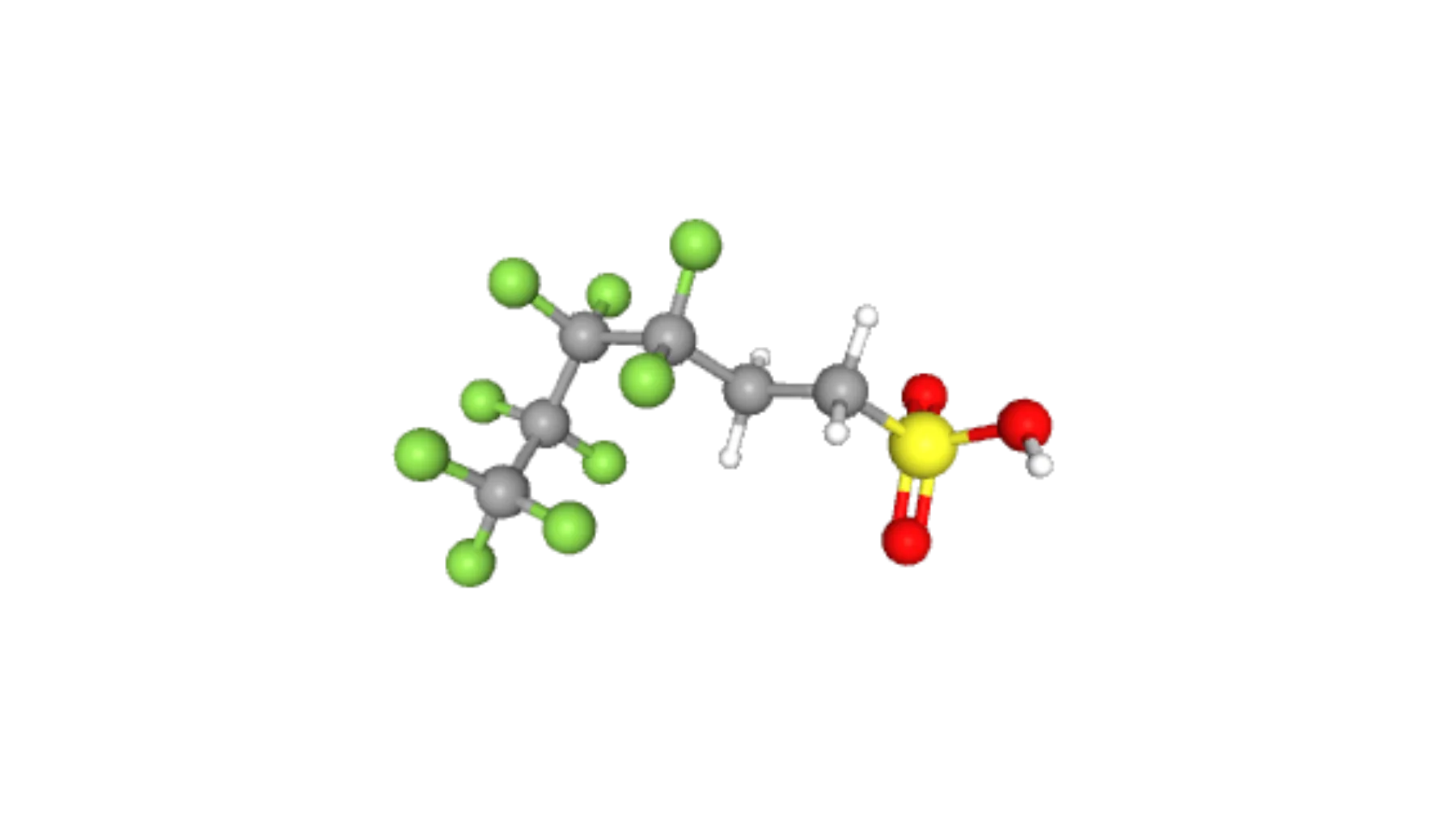
4:2 FTS
4:2 Fluorotelomer Sulfonic Acid
PFASA short-chain fluorotelomer sulfonic acid (4 perfluorinated + 2 alkyl carbons), formed as a degradation product of fluorotelomer-based aqueous film-forming foam (AFFF). Detected at low ppt levels in U.S. drinking water under UCMR 5.
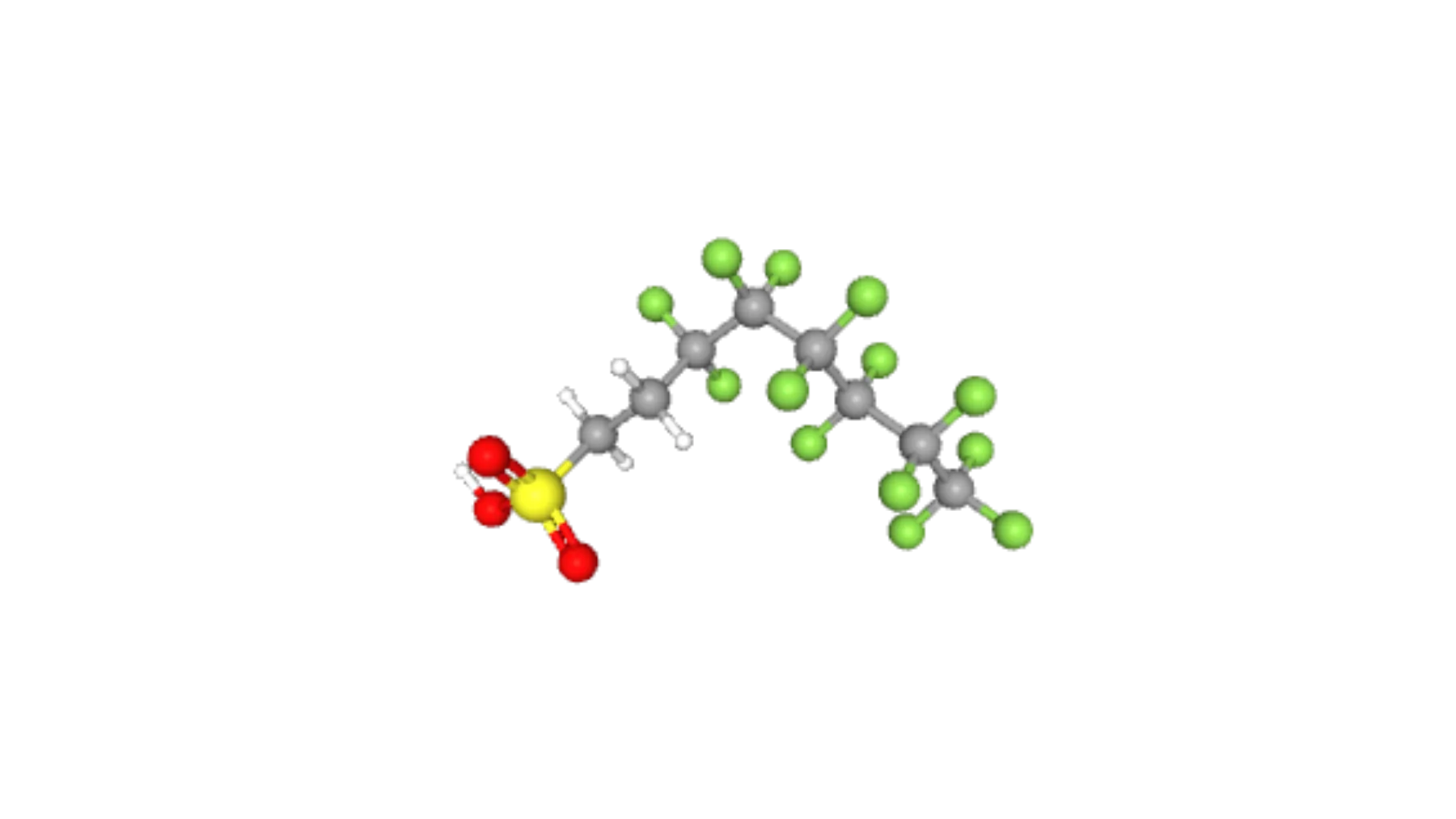
6:2 FTS
6:2 Fluorotelomer Sulfonic Acid
PFASA short-chain fluorotelomer sulfonic acid (6 perfluorinated + 2 alkyl carbons) and the principal PFAS-replacement chemistry in post-2002 AFFF firefighting foams. Detected in 275 U.S. utilities serving ~15 million people under UCMR 5.
Latest articles
Read the blog →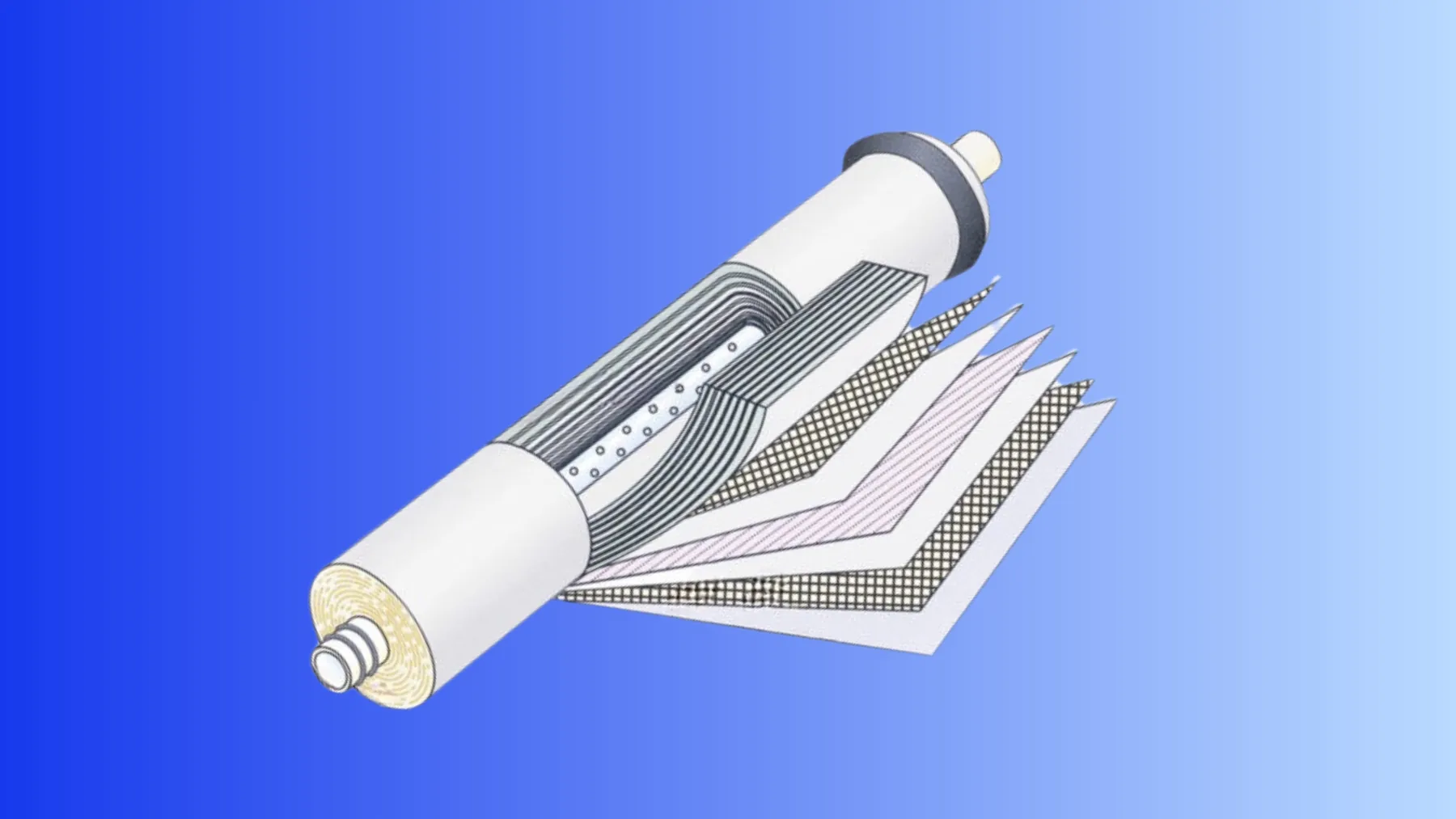
Replacing an RO Membrane: How to Measure When It's Time and Swap It in 10 Minutes
Reverse-osmosis membranes don't fail overnight — they degrade slowly. Learn how to use TDS and flow rates to know exactly when yours needs replacing, plus a simple guide to swapping your encapsulated unit.
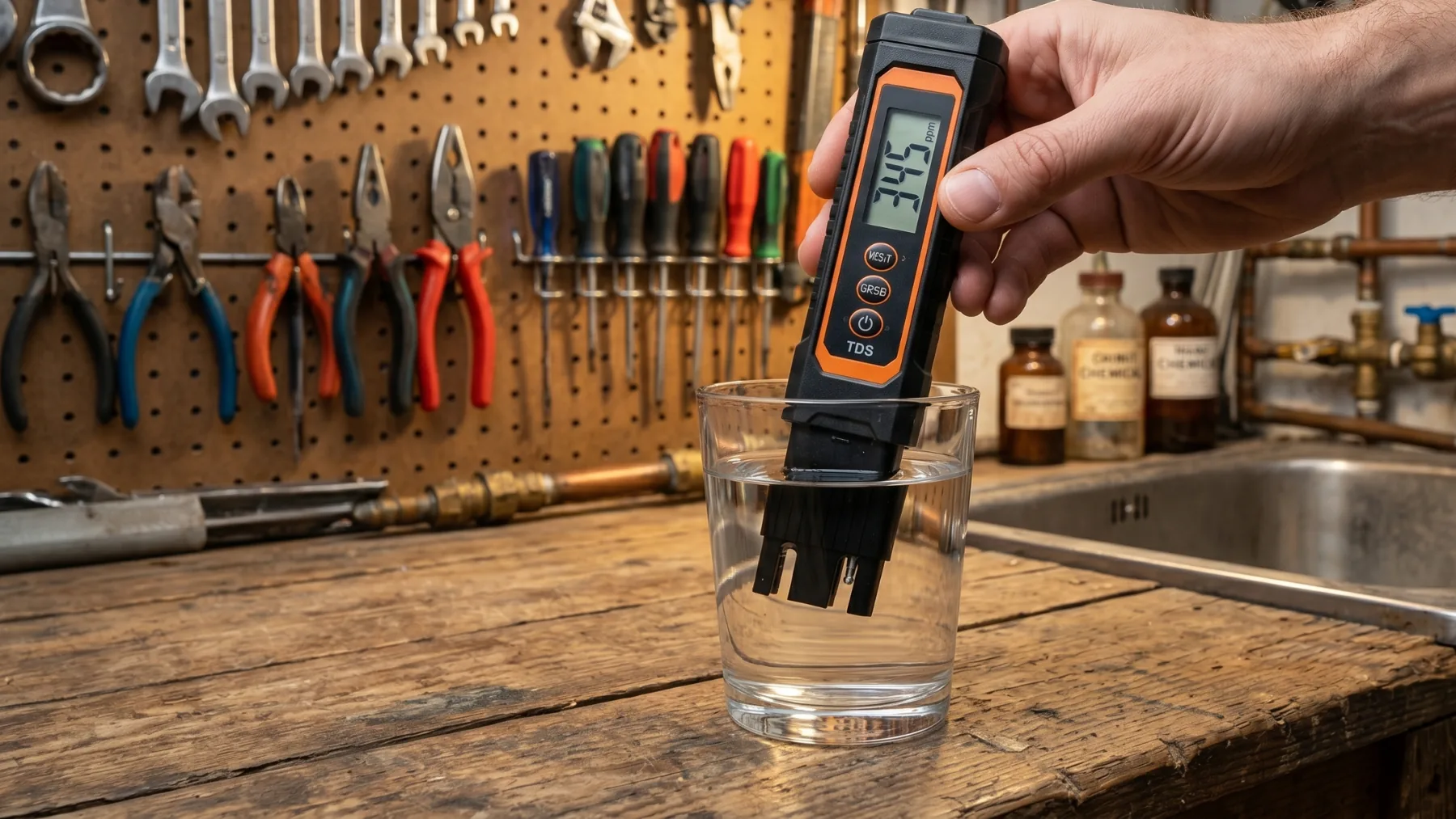
Understanding TDS: What Total Dissolved Solids Mean for Your Water
Total Dissolved Solids is the most common single number on a water-quality report. Here is what it actually measures, how to read it, and when it should worry you.
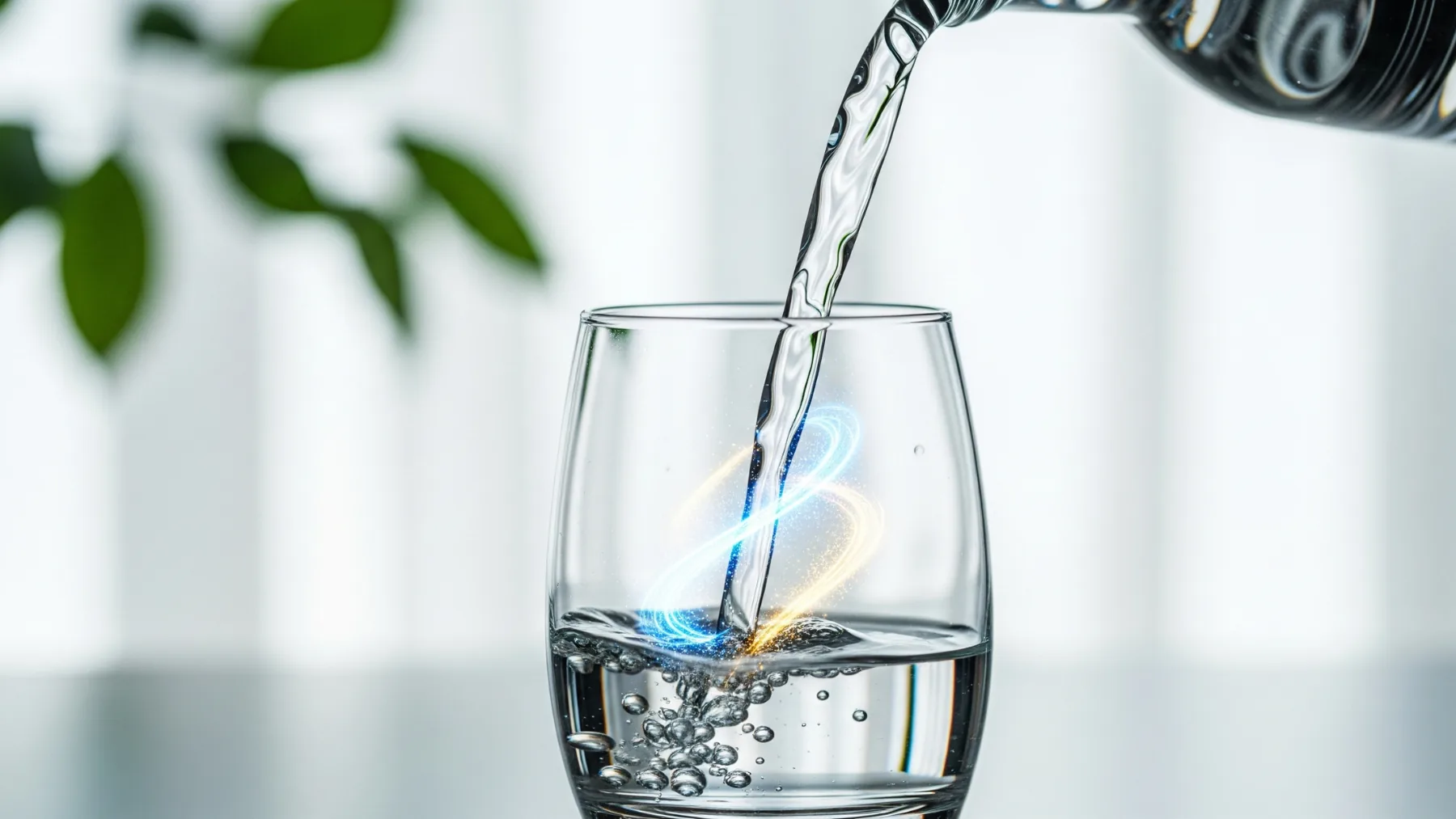
Re-mineralizing Your RO Water is a Wave of Wellness 🌊
Elevate your wellness by learning how to re-mineralize RO water — boosting its taste and infusing it with essential nutrients.