Are Microplastics Lurking in Your Drinking Water?
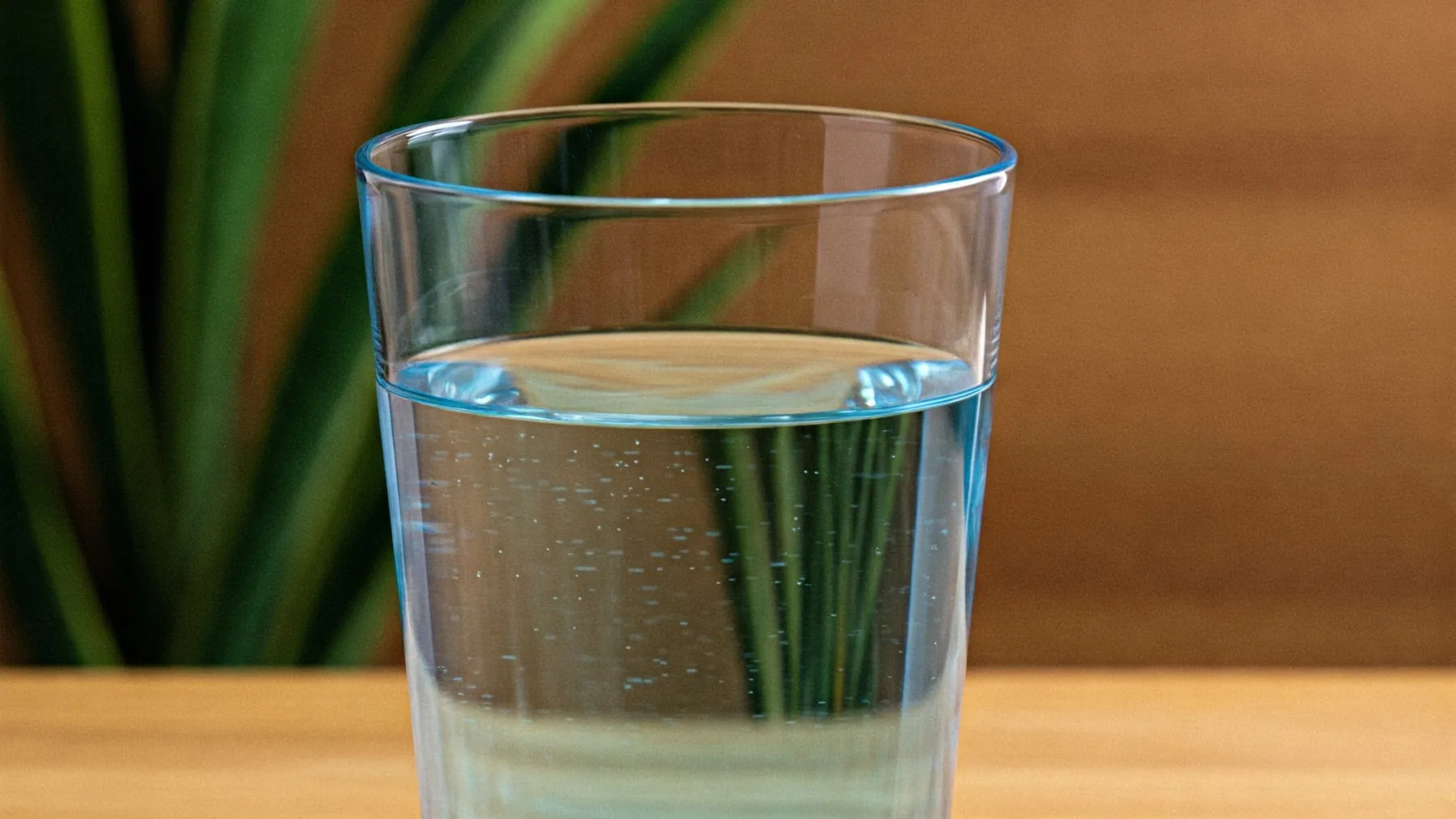
A simple glass of water might be harboring an unseen contaminant: microplastics. The pervasive nature of plastic in modern life means that as these materials break down, they create minuscule particles that have infiltrated nearly every corner of our planet — from the oceans, to the food we eat, and critically, even the water we drink. This widespread presence inevitably raises concerns about the potential impact on human health.
This article aims to shed light on the issue of microplastics in drinking water. We'll explore what these particles are, how they contaminate our water sources, how bottled water compares to tap, the potential health risks of ingesting them, and the most effective methods for removing them — such as reverse osmosis (RO). Understanding this invisible threat empowers you to make informed choices for safeguarding your health through better water quality.
What exactly are microplastics — and nanoplastics?
Microplastics are formally defined as particles or fibers of plastic measuring less than 5 millimeters in length. To picture that upper limit, think of a pencil eraser or a single sesame seed. But that only captures the largest end of the spectrum — many microplastics are microscopic, far too small to see, existing as fragments, fibers, beads, films, or foam.
Beyond microplastics lies an even smaller category: nanoplastics (NPs). These particles are smaller than 1 micrometer (µm, one-millionth of a meter), and are often defined as being less than 100 nanometers (nm). The distinction is critical: their minuscule size may allow them to penetrate biological barriers — such as cell membranes — far more easily than larger microplastics, potentially leading to more significant health implications.
Recent advances in detection, like stimulated Raman scattering (SRS) microscopy, have revealed astonishingly high numbers of nanoplastics in everyday products like bottled water — often hundreds of thousands per liter, vastly exceeding the counts of the larger microplastics reported previously. This suggests that focusing solely on "microplastics" may dramatically underestimate the true scale of plastic-particle exposure.
Where they come from: primary vs. secondary
Microplastics enter the environment in two fundamentally different ways.
Primary microplastics are intentionally manufactured as small particles. Examples include the plastic microbeads once common in exfoliating cosmetics (now banned or phased out in many regions, including the U.S. under the Microbead-Free Waters Act of 2015), the plastic pellets used as raw material in manufacturing, and glitter. These enter the environment directly — washed down drains or spilled during production and transport.
Secondary microplastics form from the breakdown of larger plastic items already in the environment. Sunlight (UV radiation), heat, wind, and wave action cause discarded bottles, bags, fishing nets, packaging, and toys to become brittle and fragment into progressively smaller pieces over time.
How microplastics reach your drinking water
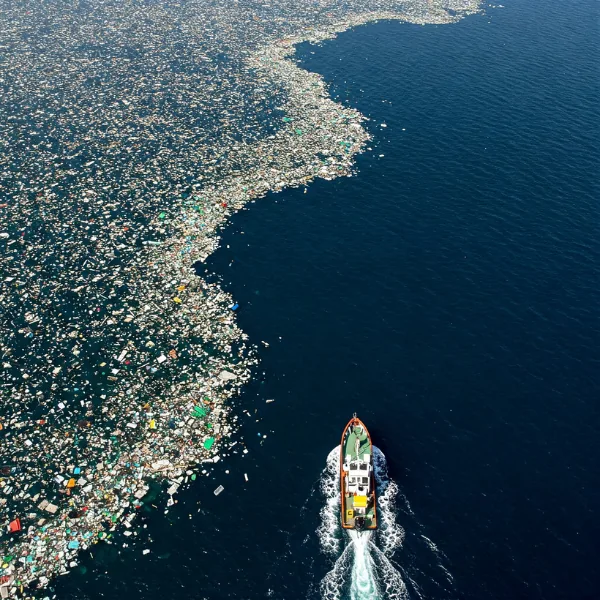
Microplastics travel into drinking-water sources through a complex network of environmental pathways. Understanding these routes shows just how pervasive the contamination really is.
Surface water contamination is considered a primary pathway. Rainwater runoff washes microplastics from urban and rural landscapes into the rivers, lakes, and reservoirs that supply many municipal systems. Land-based sources include degrading litter, particles from tire wear on roads, and agricultural runoff. Rivers then act as major conduits, carrying plastic pollution downstream toward drinking-water intakes.
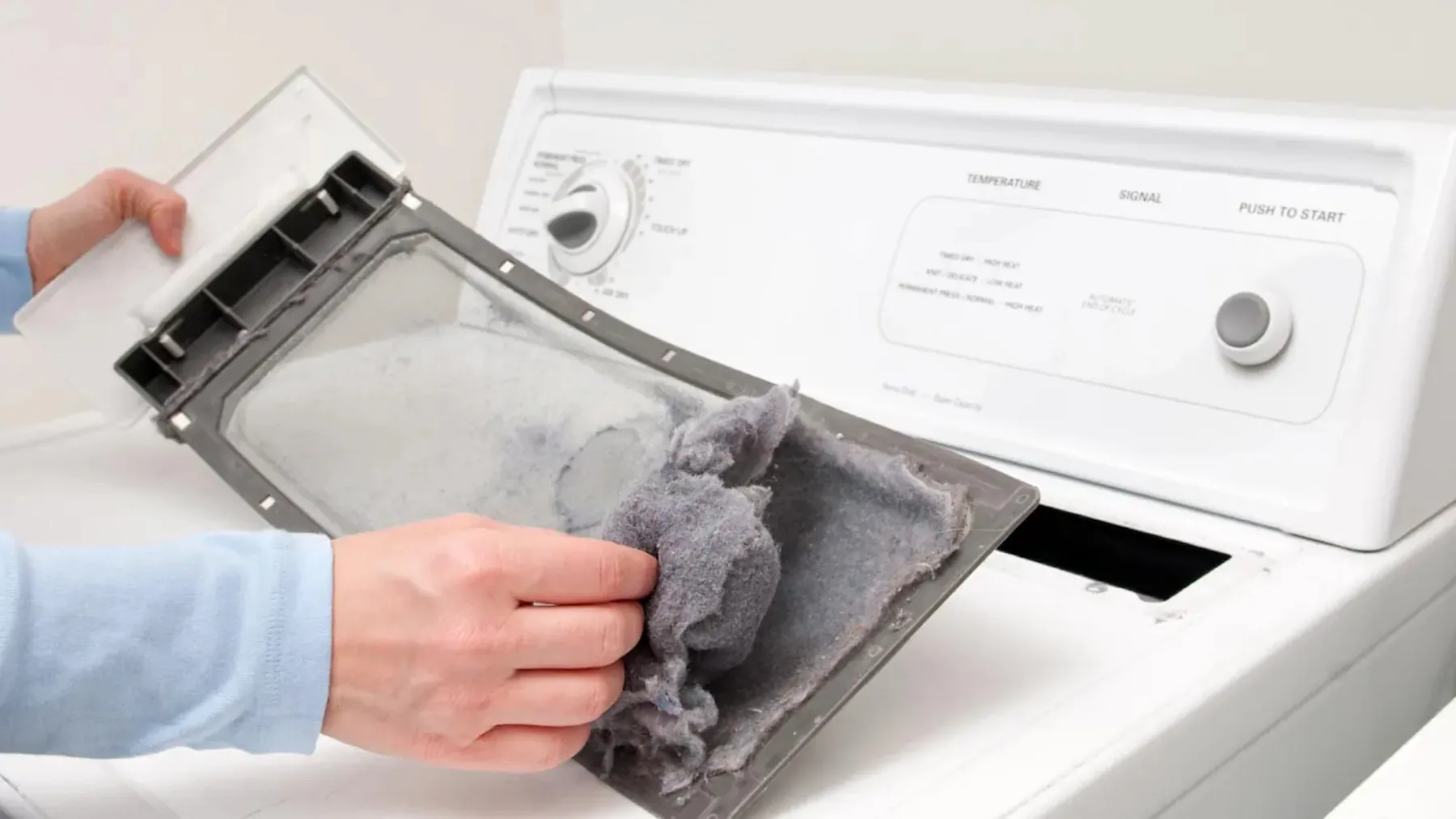
Wastewater effluent is another significant entry point. Synthetic fibers shed during laundry, microbeads, and other household and industrial wastes flow into sewage systems. While wastewater treatment plants (WWTPs) remove a high share of microplastics — often exceeding 90% — the sheer volume of water processed daily means substantial quantities still get discharged. Worse, the microplastics captured during treatment become concentrated in sewage sludge; when that sludge is applied to farmland as fertilizer, it reintroduces the plastics to the land, where they can wash back into waterways.
Atmospheric deposition is an often-overlooked route. Microplastics are light enough to become airborne — from tire dust, textile fibers, and industrial emissions — and winds can carry them vast distances before they settle onto water and land. Their discovery in places as remote as Antarctic snow and high mountain peaks underscores how far this long-range transport reaches.
Groundwater infiltration rounds out the picture. Once thought relatively protected, groundwater is now recognized as vulnerable: microplastics can infiltrate aquifers through soil percolation, landfill leakage, septic-system inputs, and the exchange between surface water and groundwater. Studies have confirmed their presence in samples drawn from wells. The takeaway is sobering — even water sources perceived as pristine may be contaminated, which is exactly why effective point-of-use treatment matters.
Where contamination is worst
The environmental load of microplastics stems from countless everyday items — single-use packaging, toys, cigarette filters, synthetic clothing, and vehicle tires. Concentrations tend to be highest in and near urban environments, thanks to dense population, heavy traffic (tire wear), and stormwater runoff carrying litter and dust. Areas downstream from WWTP outfalls also show elevated levels, as do agricultural lands where plastic mulch or sewage sludge has been applied.
Bottled vs. tap: a surprising comparison
When thinking about drinking-water safety, many people turn to bottled water, assuming it's purer than tap. But on microplastic contamination specifically, the evidence paints a surprisingly different picture: studies worldwide have consistently found that bottled water generally contains significantly higher concentrations of microplastics — and especially nanoplastics — than treated municipal tap water.
A landmark 2018 study coordinated by Orb Media analyzed 259 bottles from 11 globally recognized brands across nine countries, finding microplastic contamination in 93% of samples. The average was 10.4 particles larger than 100 µm per liter; when smaller particles (down to 6.5 µm) were included, the average surged to 325 particles per liter, with some individual bottles exceeding 10,000.
More recently, a 2024 study in the Proceedings of the National Academy of Sciences used advanced laser-based imaging (SRS microscopy) to detect far smaller nanoplastics. Analyzing three popular U.S. bottled-water brands, researchers found an average of roughly 240,000 plastic fragments per liter — about 90% of them nanoplastics. That figure is 10 to 100 times higher than earlier estimates that focused on larger microplastics. Other reviews consistently corroborate the trend, even as absolute counts vary widely with analytical method and brand.
Why bottled water is worse
Several factors drive the elevated microplastic levels in bottled water.
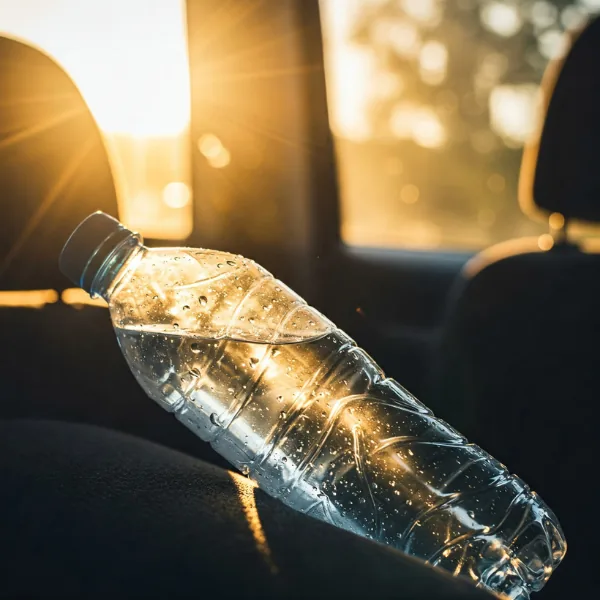
PET bottles. Polyethylene terephthalate (PET) — the plastic used for single-use bottles — sheds microplastic and nanoplastic particles directly into the water. Storage duration, heat (think of a bottle left in a hot car), and UV exposure all accelerate this leaching. Some studies suggest reusable plastic bottles may release even more particles over time due to wear.
Caps. The simple act of twisting a screw cap on and off generates friction that can create hundreds of microplastic particles, typically polypropylene (PP) or polyethylene (PE).
The potential health effects
The discovery of microplastics in our water naturally raises questions about their impact on human health. Research is ongoing and many long-term effects remain uncertain, but studies in cell cultures, animals, and increasingly in humans point to several areas of concern. Exposure occurs primarily through ingestion (contaminated water and food) and inhalation (contaminated air).
- Physical effects. Ingested particles could cause physical irritation or abrasion to the digestive-tract lining; inhaled particles pose risks to the respiratory system.
- Inflammation and immune response. The immune system may recognize microplastics as foreign invaders and mount inflammatory responses — and chronic inflammation is linked to a host of health problems. Oxidative stress is a frequently observed effect in laboratory studies.
- Bioaccumulation and translocation. This is the central concern. Smaller nanoplastics appear able to move beyond the gut and lungs and accumulate throughout the body. They have been detected in human blood, feces, lung tissue, liver, kidneys, spleen, semen, placenta, and even brain tissue. The implied ability to cross the blood-brain and placental barriers means exposure isn't a localized gut issue — it can become systemic, reaching sensitive organs and potentially a developing fetus.
The chemical payload: a "Trojan Horse"
The risks aren't limited to the physical particles themselves — they also carry a chemical burden, in two ways.
Leached additives. Plastics contain additives — plasticizers (like phthalates), stabilizers, bisphenols (like BPA), and flame retardants — that give them flexibility, stability, or color. Because these are often not chemically bound to the polymer, they can leach out over time, either into the surrounding water or into the body after ingestion.
Adsorbed environmental toxins. As microplastics travel through the environment, they act like tiny sponges, attracting and concentrating hydrophobic pollutants onto their surfaces — persistent organic pollutants (POPs) like PCBs, pesticides such as DDT, flame retardants (PBDEs), and heavy metals. When ingested, these accumulated toxins can be released inside the digestive system. This "Trojan Horse" effect — where the particle delivers a payload of harmful chemicals — means the overall risk may be greater than that of the particle or the chemicals alone.
Phthalates: a closer look at the EDC risk
Among the chemical additives of concern, phthalates deserve special attention for their widespread use and known endocrine-disrupting properties. They're used primarily as plasticizers to make plastics — particularly PVC — soft and flexible, and they appear in food packaging, vinyl flooring, medical devices (IV tubing, blood bags), children's toys, and cosmetics. Common examples include DEHP, DBP, and BBP.
Phthalates are well-established endocrine-disrupting chemicals (EDCs): they interfere with the body's hormone system by mimicking natural hormones (like estrogen or testosterone), blocking hormone receptors, or altering hormone production and breakdown — and even low doses are thought to disrupt these sensitive systems. Exposure has been linked, particularly in animal studies and increasingly in human research, to a range of reproductive and developmental effects. Animal studies describe a "phthalate syndrome" of infertility, reduced sperm count and quality, undescended testes (cryptorchidism), and reproductive-tract malformations (hypospadias). In humans, prenatal exposure has been associated with a shorter anogenital distance (AGD) in male infants, lower sperm quality, increased risk of preterm birth and lower birth weight, and potential neurodevelopmental issues such as ADHD-related behaviors.
If this sounds familiar, it's because phthalates are the same EDCs covered in our article on water and fertility — microplastics are one of the main ways they reach your body.
Removing microplastics with reverse osmosis
Given how prevalent microplastics are and how serious the potential concerns, point-of-use (POU) filtration offers a practical line of defense — and reverse osmosis (RO) is widely regarded as one of the most effective methods for removing both microplastics and nanoplastics.
RO works by forcing water through a semi-permeable membrane with extremely fine pores — typically around 0.0001 micrometers (0.1 nm). Those pores are dramatically smaller than microplastics (up to 5,000 µm) and even most nanoplastics (down to about 1 nm), so the particles are physically blocked and flushed away with the reject-water stream. Reported removal efficiencies often exceed 99%, with some systems certified to even higher levels. Proper membrane maintenance is critical here: a degraded membrane can lose performance and undermine the very protection you installed it for.
Beyond plastics, the RO membrane's tiny pore size makes it highly effective against a wide array of other contaminants too — dissolved salts, heavy metals (lead, arsenic, mercury), chemicals like PFAS and BPA, pesticides, bacteria, and viruses. Paired with sediment and carbon pre-filtration stages, it forms a comprehensive barrier for your drinking water.
The bottom line
Microplastics, and their even smaller counterparts nanoplastics, have become ubiquitous environmental contaminants. They originate from the breakdown of larger plastics and the shedding of everyday products, reaching our water through surface runoff, wastewater effluent, atmospheric deposition, and groundwater infiltration. The evidence clearly shows that bottled water — often chosen for its perceived purity — generally contains significantly more of these particles than treated tap water, thanks to the plastic packaging itself.
While the long-term health impacts are still under active investigation, the existing research raises valid concerns: physical irritation, inflammation, immune responses, gut-microbiome disruption, and systemic effects from particle translocation — compounded by the chemical additives and adsorbed toxins these particles carry. Given those hazards, a precautionary approach makes sense. Reducing single-use plastic helps at the source, and for your drinking water, reverse osmosis — combined with sediment and carbon filtration — stands out for its ability to remove the vast majority of microplastics and nanoplastics. By taking control of your water quality, you can actively safeguard your health against this pervasive challenge.