getwater.tech getwater .tech

Blog ยท Topic

Well Water

If you're on a private well, you're in charge of your own water โ€” about 1 in 8 US households (roughly 23 million homes) are right there with you. The catch is that EPA drinking-water rules don't apply to private wells, so whatever's in your local aquifer flows straight to your tap: things like bacteria, nitrate from nearby farms, arsenic, and hard-water minerals are the usual suspects. The upside? With a yearly test and the right point-of-use filter, you've got full control over what you and your family actually drink. ๐Ÿชฃ

Mini RO System on a counter โ€” point-of-use filtration for well water
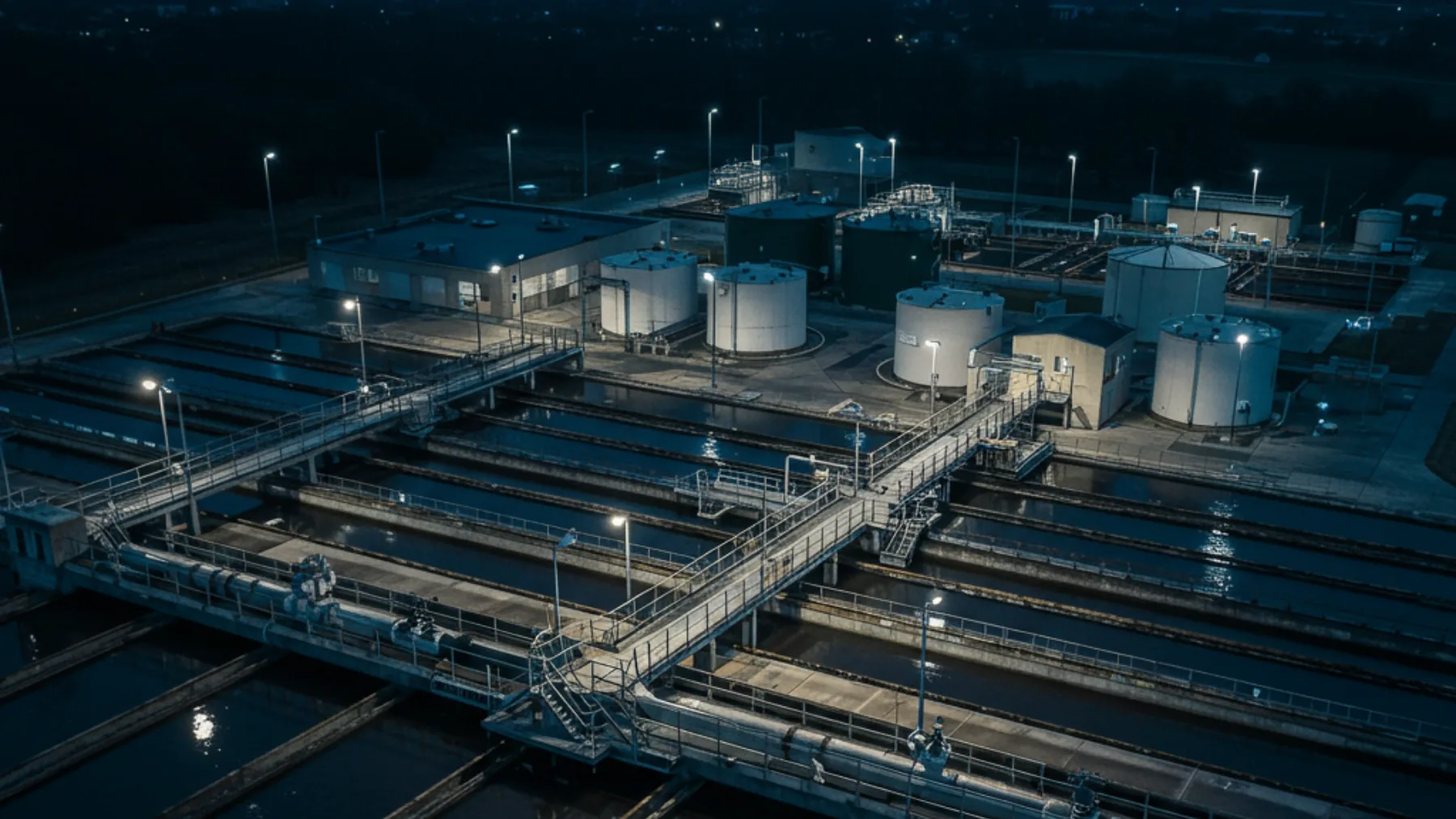
A water treatment plant where municipal water is processed before reaching the tap

Navigating PFAS: Protecting Your Health from "Forever Chemicals"

PFAS is getting into your body through various ways. Let's explore what PFAS is and how we can reduce our exposure.
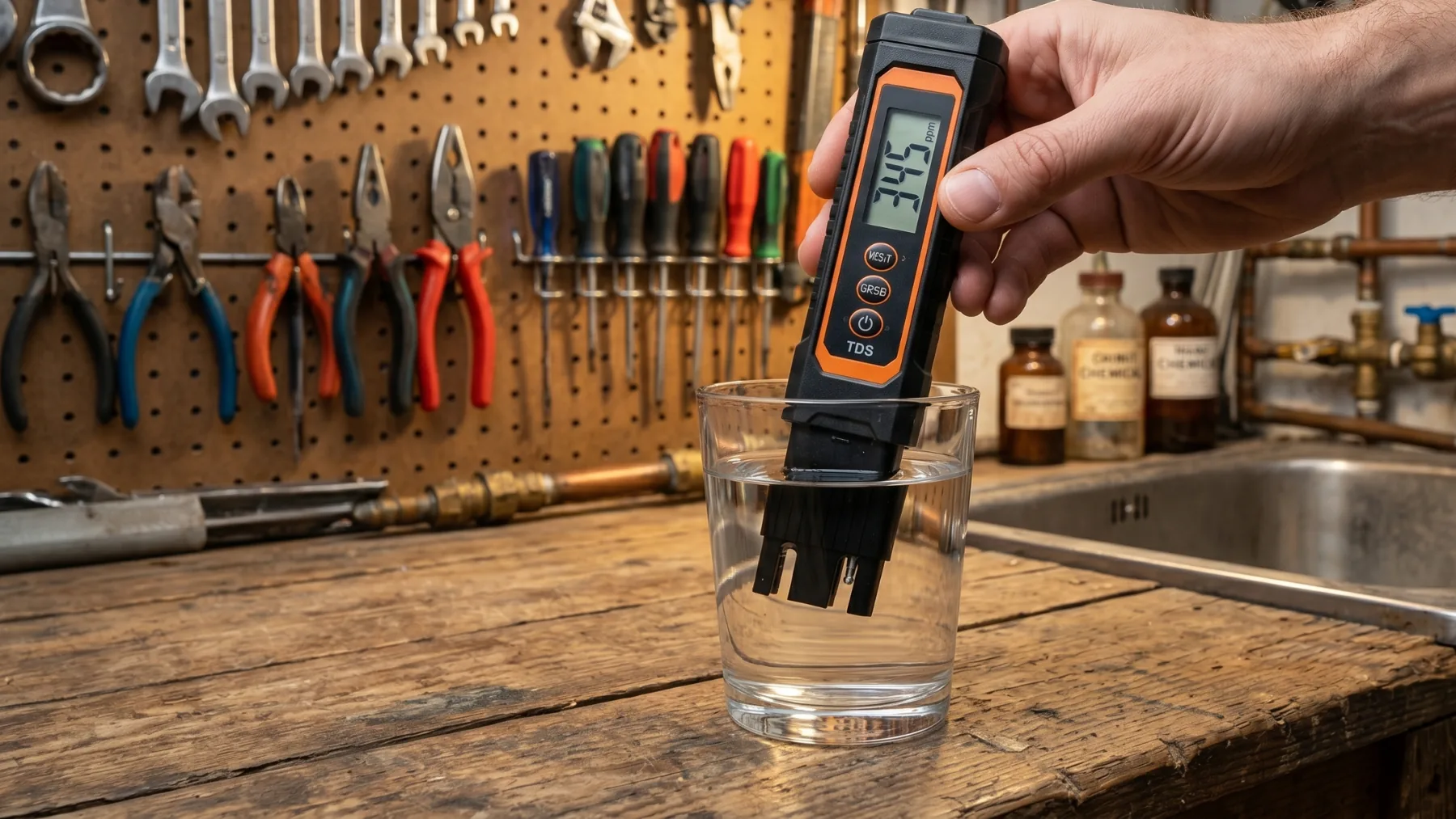
A handheld TDS meter measuring the dissolved-solids reading of a glass of tap water

Understanding TDS: What Total Dissolved Solids Mean for Your Water

Total Dissolved Solids is the most common single number on a water-quality report. Here is what it actually measures, how to read it, and when it should worry you.
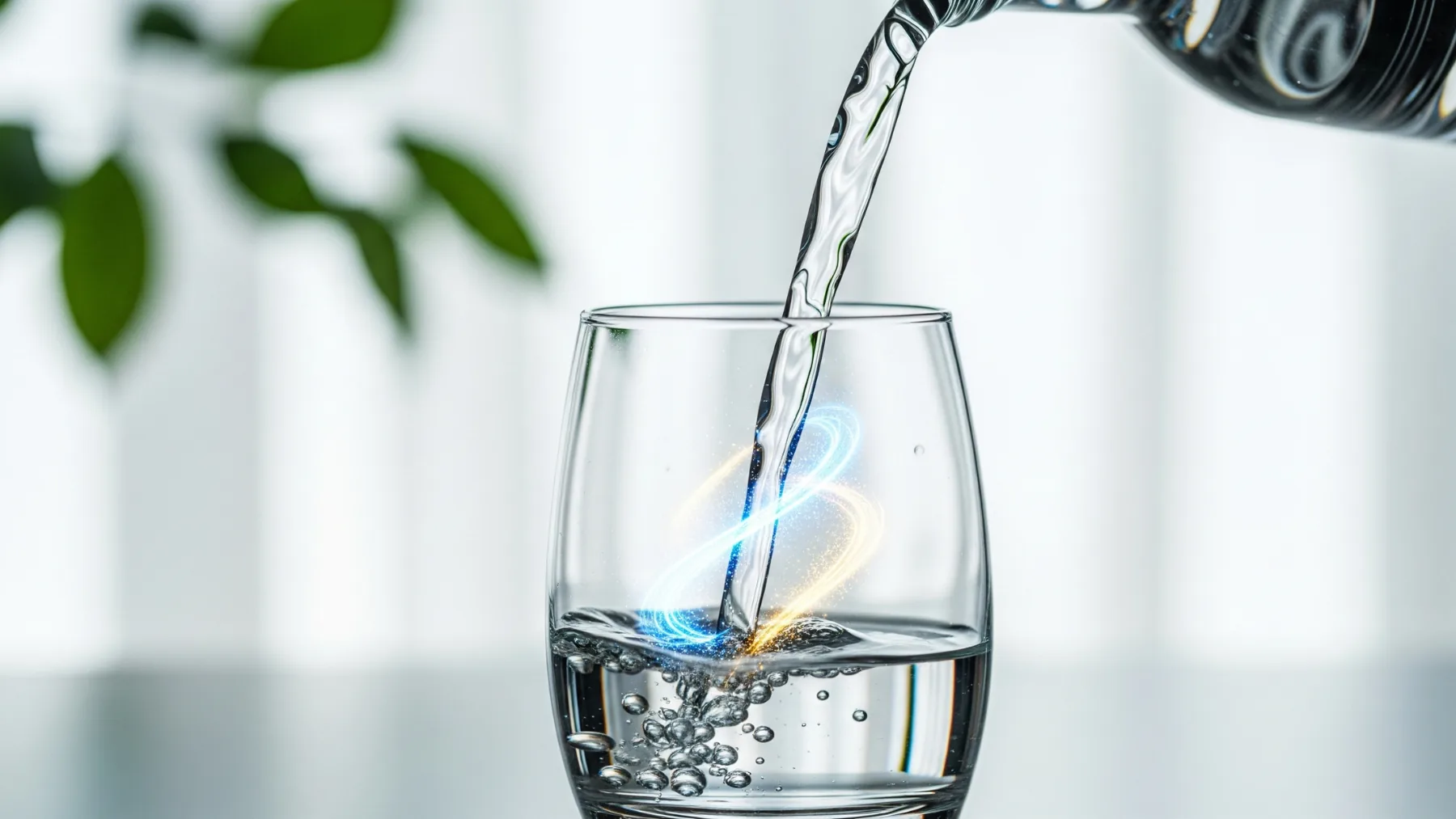
A glass of pure water alongside mineral crystals, representing re-mineralized reverse-osmosis water

Re-mineralizing Your RO Water is a Wave of Wellness ๐ŸŒŠ

Elevate your wellness by learning how to re-mineralize RO water โ€” boosting its taste and infusing it with essential nutrients.

A government building reflected in water, representing the federal policy decisions that shape drinking-water quality

Potential Changes to Water Regulations

A look at potential shifts in U.S. water regulations in 2025 โ€” how proposed changes to the Clean Water Act (WOTUS), the Safe Drinking Water Act, and rules for PFAS and lead could affect your tap water, for both city and well users.
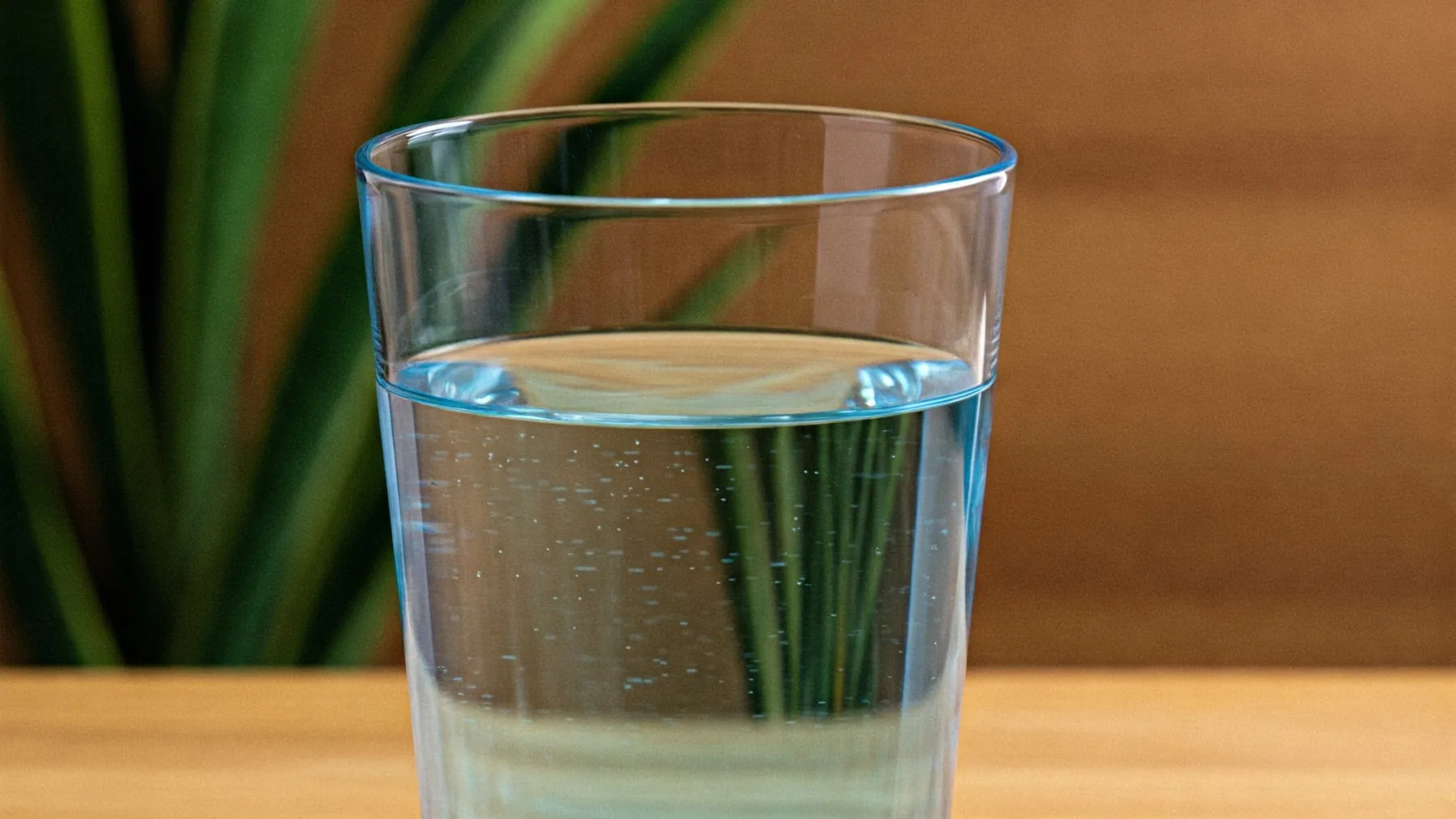
A clear glass of drinking water that may contain microscopic plastic particles invisible to the naked eye

Are Microplastics Lurking in Your Drinking Water?

Microplastics are tiny broken-down plastic particles found in drinking water sources โ€” especially bottled water โ€” and across everyday life. Let's explore where they come from and what we can do to reduce our exposure.

A clear glass of tap water on a kitchen counter, raising questions about hidden contaminants and reproductive health

Is the Water You're Drinking Slowly Making You Sterile?

Some contaminants in drinking water are known endocrine-disrupting chemicals. Let's look at which ones are the most harmful and which biological systems they impact.

Related topics

City Water Your city water starts out treated, tested, and regulated at the plant โ€” the tricky part is the trip to your tap. ๐Ÿšฐ Along the way it can pick up chlorine or chloramine taste and odor, disinfection byproducts that form in the pipes, and sometimes a little lead from older service lines. The good news: your utility publishes an annual water-quality report you can actually read, and a simple carbon or reverse-osmosis filter handles most of what's left. PFAS - Forever Chemicals You've probably heard them called "forever chemicals" โ€” PFAS are a huge family of man-made compounds that don't break down, so they build up in the environment and in us. They've turned up in drinking water near industrial sites, military bases, and carpet and textile plants, and they're surprisingly widespread. The articles here break down how PFAS are detected, how you're actually exposed, and where the rules are heading โ€” plus the part that matters most at home: getting them out. Reverse osmosis is the most reliable widely-available filter for the job. ๐Ÿงช Total Dissolved Solids (TDS) Total Dissolved Solids (TDS) is a single-number measure of everything dissolved in your water โ€” minerals, salts, and metals โ€” reported in parts per million by a handheld meter. A high reading can indicate hard water or dissolved metals and may taste bitter or metallic, but it won't identify which solids are present, so treat it as a prompt for specific testing, not a diagnosis. TDS is most useful as a trend: a sudden change often signals a spent filter, new contaminant, or pipe corrosion. ๐Ÿง‚ Water Quality Your home for getting the highest-quality water possible โ€” not just "safe enough," but genuinely clean, healthy, and great-tasting. We cover what matters most: testing what's actually in your supply, the contaminants worth knowing about, and the treatment and filtration that take your water from acceptable to excellent. The golden rule? Know your water first โ€” a few TDS readings, a look at your utility's report, and a test for the usual suspects like lead, nitrates, or PFAS. With that baseline, dialing in the perfect setup is easy. ๐Ÿ’ง
โ† Back to all articles