Blog · Topic
Guides
Your friendly, plain-English home for getting great water quality — no jargon, no assumptions, no pressure. These guides are here to teach you both the how, the why, and understanding what actually makes your water better. 🛠️

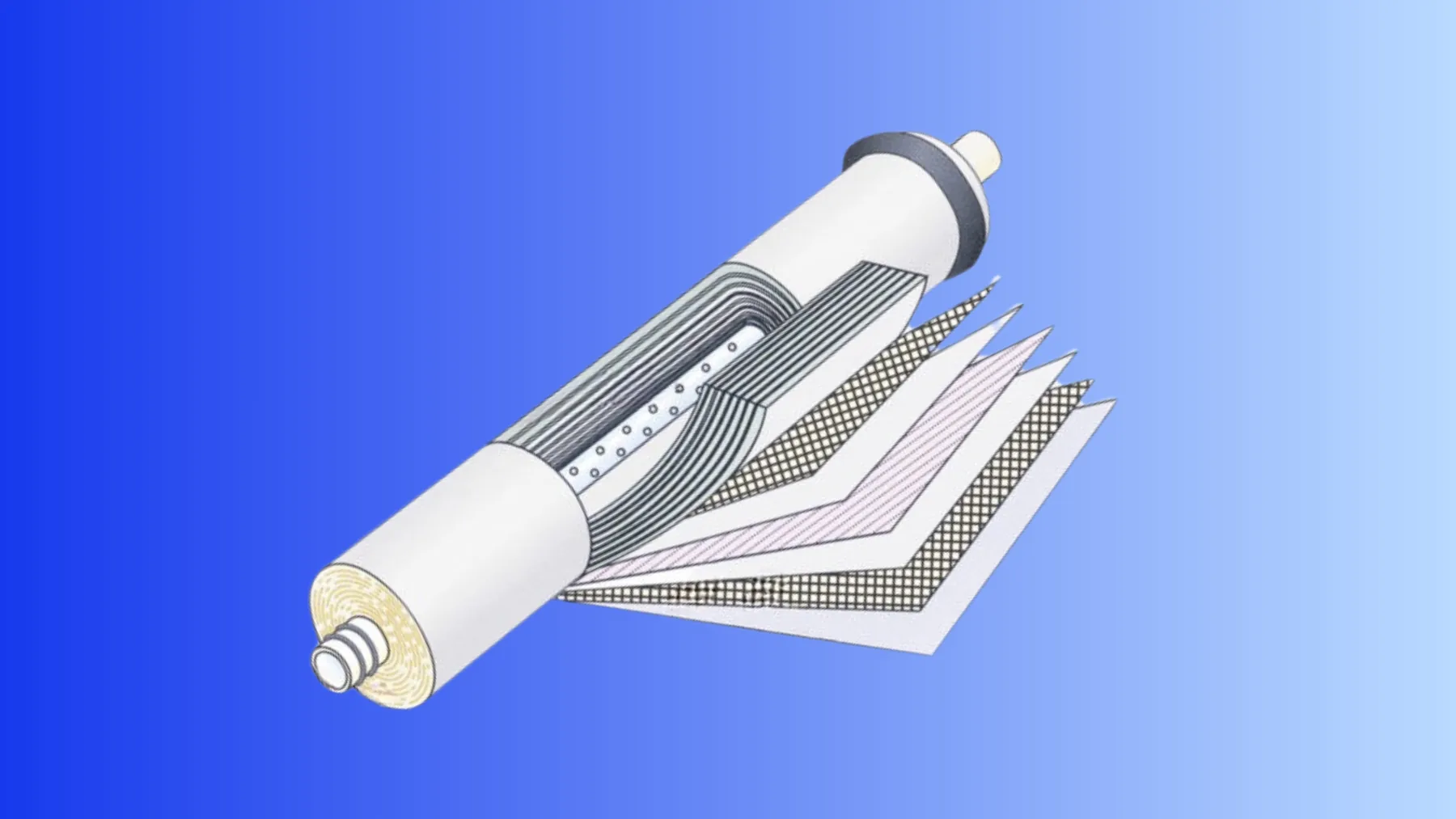
Replacing an RO Membrane: How to Measure When It's Time and Swap It in 10 Minutes
Reverse-osmosis membranes don't fail overnight — they degrade slowly. Learn how to use TDS and flow rates to know exactly when yours needs replacing, plus a simple guide to swapping your encapsulated unit.
Re-mineralizing Your RO Water is a Wave of Wellness 🌊
Elevate your wellness by learning how to re-mineralize RO water — boosting its taste and infusing it with essential nutrients.
Related topics
Water Quality Your home for getting the highest-quality water possible — not just "safe enough," but genuinely clean, healthy, and great-tasting. We cover what matters most: testing what's actually in your supply, the contaminants worth knowing about, and the treatment and filtration that take your water from acceptable to excellent. The golden rule? Know your water first — a few TDS readings, a look at your utility's report, and a test for the usual suspects like lead, nitrates, or PFAS. With that baseline, dialing in the perfect setup is easy. 💧 Total Dissolved Solids (TDS) Total Dissolved Solids (TDS) is a single-number measure of everything dissolved in your water — minerals, salts, and metals — reported in parts per million by a handheld meter. A high reading can indicate hard water or dissolved metals and may taste bitter or metallic, but it won't identify which solids are present, so treat it as a prompt for specific testing, not a diagnosis. TDS is most useful as a trend: a sudden change often signals a spent filter, new contaminant, or pipe corrosion. 🧂